
Experience the Magic: Celebrating Festivals and Traditions in Turkey


Overview
Explore Turkey's vibrant festivals that reflect its rich culture and traditions, from religious celebrations like Eid al-Fitr and Eid al-Adha to local events like the Socket Oil Festival. Engaging in these festivities enhances your travel experience, showcasing Turkish hospitality and community spirit. Plan your visit around these events for unforgettable memories and deeper cultural connections.
Contents
Turkey, a country rich in history, culture, and breathtaking landscapes, invites travelers from all corners of the globe to explore its many facets. As you craft your Turkey itinerary, don’t forget to immerse yourself in the vibrant festivals and traditions that reflect the soul of this beautiful nation. From joyous celebrations to deep-rooted rituals, let’s dive into the spirit of Turkey holidays and discover what makes them so unique.
The Significance of Festivals in Turkish Culture
Festivals in Turkey are more than just a celebration; they represent the essence of Turkish identity, embodying the country’s diverse cultural heritage. Each festival is an opportunity for locals and visitors alike to come together, share stories, and enjoy the rich traditions passed down through generations.
These celebrations often coincide with important religious, historical, and seasonal events, showcasing the significance of community, family, and cultural pride. If you’re planning a trip to Turkey, understanding these festivals can greatly enhance your travel experience.
1. Ramazan Bayramı (Eid al-Fitr)
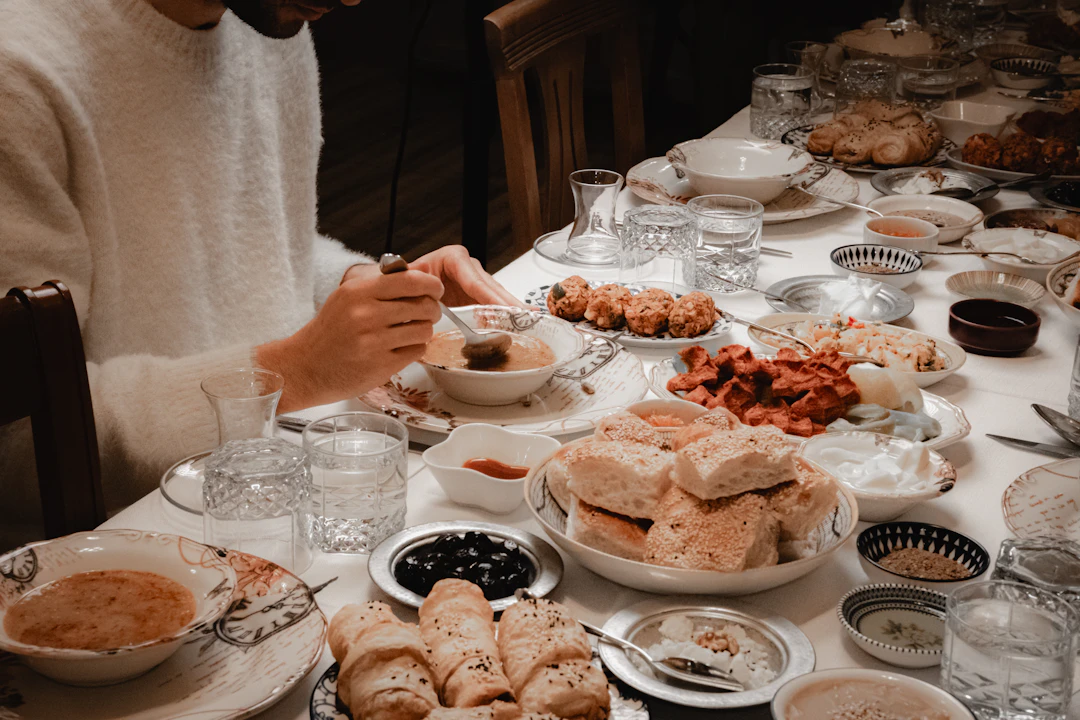
One of the most anticipated holidays in Turkey is Ramazan Bayramı, also known as Eid al-Fitr. This festival marks the end of Ramadan, the holy month of fasting for Muslims. During this time, families gather to celebrate together, sharing meals and exchanging gifts.
Date: The date varies each year, depending on the Islamic lunar calendar.
What to Expect: Festive meals, visits to friends and family, and various charitable activities. Traditional sweets likebaklavaandcandyare commonly shared.
Visiting Turkey during this time offers a unique perspective on Turkish culture and the hospitality of its people. Expect to see beautifully decorated homes and streets filled with laughter and joy.
2. Kurban Bayramı (Eid al-Adha)
Kurban Bayramı, or Eid al-Adha, is another major religious festival in Turkey, commemorating the willingness of Ibrahim (Abraham) to sacrifice his son in obedience to God. Unlike Ramazan Bayramı, Kurban Bayramı involves the ritual sacrifice of animals, which is then shared with the less fortunate.
Date: It also varies each year according to the Islamic calendar.
What to Expect: Public prayers, a strong emphasis on charity, and family gatherings. The festival lasts four days, allowing ample time for festivities.
This holiday is deeply rooted in compassion and community, embodying Turkey's cultural values and rich traditions.
3. A Longing for Home: Socket Oil Festival
Located in the charming region of Western Turkey, the Socket Oil Festival celebrates the local production of olive oil. This vibrant event showcases the importance of this precious resource in Turkish cuisine and culture.
Date: Annually, typically in September.
What to Expect: Olive oil tastings, traditional music, dance performances, and olive-themed contests.
The Socket Oil Festival is a beautiful display of regional pride and agricultural heritage, drawing visitors from all over. If your Turkey itinerary includes Western Turkey, this festival is a delightful experience not to miss.
4. Traditional Folk Festivals
Beyond religious celebrations, Turkey boasts a plethora of traditional folk festivals that honor its rich cultural tapestry. These vibrant gatherings often feature folk dances, music, and artisan crafts, attracting both locals and tourists eager to experience authentic Turkish culture.
Examples:
Rize Artvin International Culture and Art Festival: Celebrated in the black sea region, highlighting the unique traditions of the Rize and Artvin provinces.
Cappadocia Balloon Festival: A spectacular event that combines breathtaking balloon rides with high-energy performances.
These festivals are perfect opportunities for travelers to engage with locals, appreciate traditional arts, and savor delectable Turkish cuisine. Don’t forget to mark these events on your calendar as you plan your adventure all about Turkey!
5. National Sovereignty and Children's Day
On April 23rd, Turkey celebrates National Sovereignty and Children's Day, commemorating the establishment of the Grand National Assembly of Turkey in 1920. What makes this day unique is its focus on youth, as it is a day dedicated entirely to children.
Date: April 23rd.
What to Expect: Various activities, including parades, cultural performances, and special programs for children in every city across the nation.
Families often participate in festivities, making this holiday an excellent moment for family bonding and community celebration. Don’t miss the colorful events that fill Turkish streets, as they echo the nation’s commitment to its future generations.
6. Harvest Festivals: Celebrating Nature's Bounty
Many regions in Turkey celebrate harvest festivals, showcasing gratitude for the year’s agricultural output. From wheat to fruits and vegetables, these celebrations are central to rural life throughout the country.
Date: Dates vary regionally but are primarily held during the harvest season, around late summer to early fall.
What to Expect: Local dishes, folk music, dance performances, and competitions celebrating local produce.
Experiencing a harvest festival is an excellent way to appreciate the Turkish connection to the land and the importance of farming in their culture.
7. Nevsal-i Şahane: The Festival of Spring
As spring unfolds, the Nevsal-i Şahane festival welcomes the season with open arms. Celebrated in various regions, this joyous event heralds the arrival of spring through numerous lively festivities and heartfelt traditions.
Date: Typically held in March.
What to Expect: Children playing with spring flowers, lively performances, folk dances, and culinary delights.
This festival is particularly delightful as it encourages community involvement, with many people participating in traditional games and celebrations, making it a great time to connect with locals.
8. The Role of Music and Dance in Turkish Festivals
Music and dance play a crucial role in festival celebrations throughout Turkey, reflecting the country’s diverse cultural heritage. Traditional Turkish music, known for its distinctive sounds and rhythms, is an essential aspect of these gatherings.
Types of Traditional Turkish Music:
Bağlama: A stringed instrument often used in folk music.
Davul: A large drum that provides the beat for many dances.
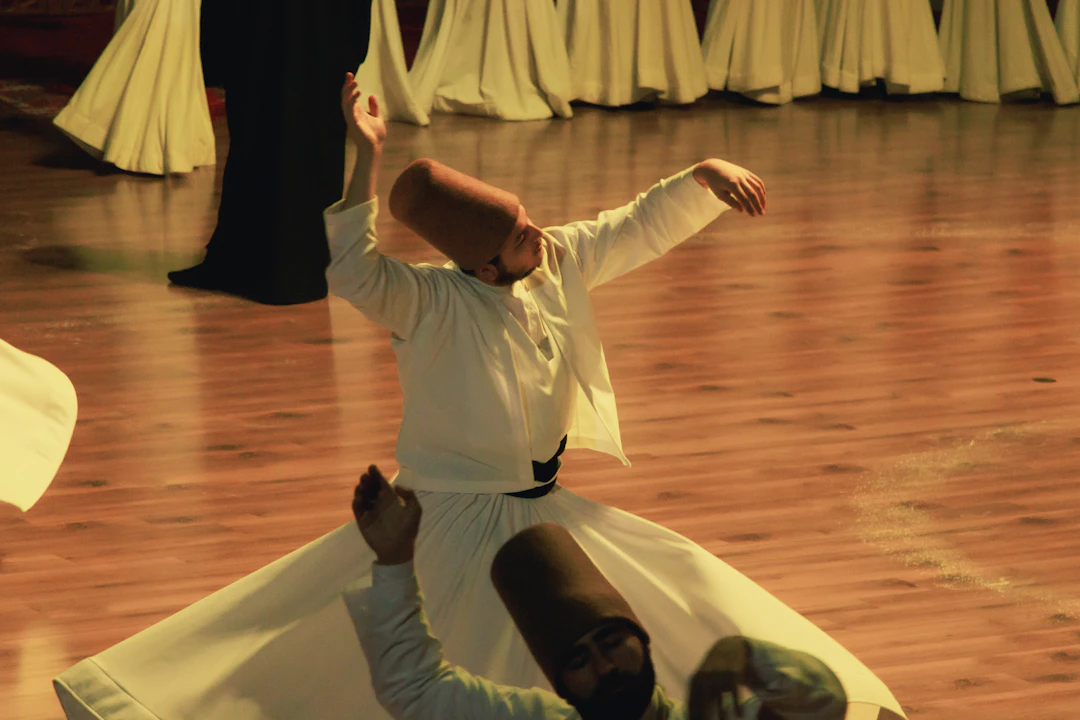
Dance forms, such as the halay and the zeybek, accompany traditional music, enchanting attendees with their lively movements. It’s common for festival-goers to participate in these dances, fostering a sense of community and shared joy.
9. Bridging Tradition and Modernity
In today’s world, Turkey skillfully intertwines its traditional customs with modern influences. Festivals often feature contemporary art installations, performances, and technological advancements that captivate younger audiences while still honoring cultural legacies.
This blend represents the evolution of Turkish culture, where ancient traditions meet innovative expressions, creating an engaging environment for both locals and visitors. Festivals thus become a celebration of continuity and change, showcasing the forward-thinking spirit of the nation.
10. Planning Your Visit Around Turkey's Festivals
If you're considering a trip to Turkey, scheduling your visit around one of these lively Turkey holidays can significantly enrich your experience. Here are a few tips to keep in mind:
Research Instead of Rushing: Explore the calendar of festivals occurring during your travel dates to find events that resonate with your interests.
Engage with Locals: Try to connect with local communities or guides who can provide insights and enhance your festival experience.
Participate: Don’t shy away from joining in local traditions—participation often leads to memorable experiences.
By immersing yourself in Turkey’s festivals, you’ll gather unforgettable memories and gain a profound understanding of the cultural fabric that shapes this charming country.
A Journey Like No Other
With its rich tapestry of traditions and vibrant festivals, Turkey invites you to step into a world that celebrates the unity of its people and the diversity of its culture. So, as you plot your Turkey itinerary, remember to include time for genuine connections and experiences that celebrate the essence of this incredible nation. Embrace the warmth of its festivals and allow Turkey’s magic to captivate your heart!
FAQs
What are some major festivals celebrated in Turkey?
Some major festivals in Turkey include Ramazan Bayramı (Eid al-Fitr), Kurban Bayramı (Eid al-Adha), the Socket Oil Festival, National Sovereignty and Children's Day, and various harvest festivals.
What is Ramazan Bayramı and how is it celebrated?
Ramazan Bayramı, also known as Eid al-Fitr, marks the end of Ramadan and is celebrated with family gatherings, festive meals, and the sharing of traditional sweets like baklava.
When is National Sovereignty and Children's Day celebrated in Turkey?
National Sovereignty and Children's Day is celebrated on April 23rd each year, with activities, parades, and events dedicated to children.
What role does music and dance play in Turkish festivals?
Music and dance are crucial components of Turkish festivals, featuring traditional instruments and dance forms that enhance community participation and cultural expression.
How can travelers plan their visit to coincide with Turkish festivals?
Travelers can research the festival calendar, engage with local communities, and participate in local traditions to enrich their experience in Turkey.
Comments