
Cultural Etiquette and Customs in Turkey: A Traveler's Guide


Overview
When visiting Turkey, it's crucial to understand local customs and etiquette to enhance your experience. Key points include accepting hospitality graciously, dressing conservatively, respecting religious practices, and being aware of cultural sensitivities. Engaging with locals and participating in traditions can enrich your journey, making it a memorable adventure in this diverse and welcoming country.
Contents
When planning your Turkey holiday, understanding the cultural etiquette and customs is essential for making the most of your trip. As one of the most diverse countries in the world, Turkey boasts a rich tapestry of traditions, customs, and social norms that are integral to its identity. By familiarizing yourself with these customs, you'll enhance your travel experience and show respect to the warm-hearted locals.
The Importance of Hospitality
One of the first things you will notice during your Turkey itinerary is the incredible hospitality of the Turkish people. Guests are treated with utmost respect and warmth, and you may find yourself being offered tea or coffee at almost every turn. It’s customary to accept these invitations, as declining may be seen as rude. Here are some key points to keep in mind:
Accepting Hospitality: When offered food or drink, always accept at least a small amount. This gesture goes a long way and builds rapport.
Visiting Homes: If you're invited to a local's home, it's customary to take a small gift, such as sweets or pastries, as a token of appreciation.
Tea and Coffee: Do not rush through your drink. Savoring your tea or coffee is part of the experience, and it’s polite to chat while enjoying it.
Social Norms and Customs
Understanding social norms can significantly enhance your experience while exploring all about Turkey. Here are a few vital customs that every visitor should be aware of:
Greeting Etiquette
Greetings in Turkey are warm and friendly. A typical greeting often involves a handshake, which may be accompanied by a smile and eye contact. Among friends and relatives, it’s common to embrace or kiss on both cheeks, starting from the left. In more formal settings, use titles followed by the person's first name as a sign of respect.
Dress Code
While Turkey is relatively liberal compared to its neighboring countries, it is essential to dress conservatively, particularly when visiting religious sites. Here are some tips for what to wear during your travels:
Religious Sites: Women should cover their hair with a scarf and wear long skirts or trousers; males should wear long pants.
Casual Attire: In cities and tourist areas, casual clothing is generally acceptable, but avoid overly revealing outfits.
Table Manners
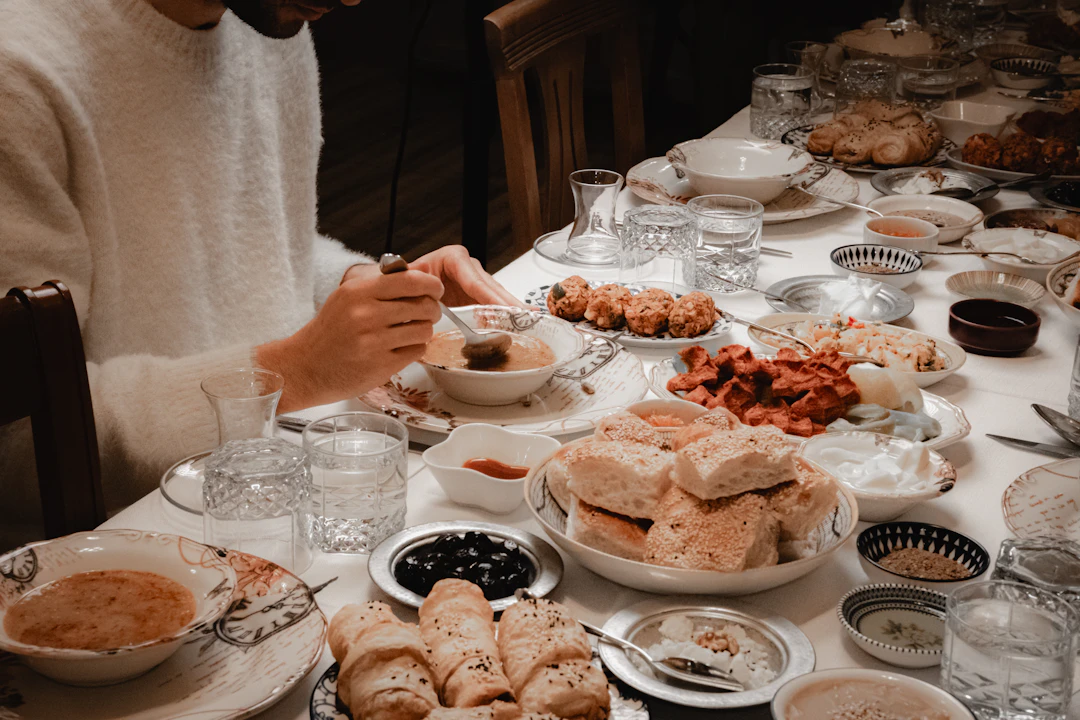
Dining practices in Turkey can vary, but some standard practices apply across the board, whether you’re enjoying a meal at a restaurant or at someone’s home:
Sharing Food: Meal times are often communal. When dining with locals, it’s typical to share dishes, so don’t hesitate to try everything.
Using Your Hands: It is traditional to eat with your right hand and use bread to scoop up food.
Finishing Your Plate: Leaving food on your plate might be considered wasteful; hence, it's polite to clean your plate, but don’t feel pressured to overeat.
Celebrating Traditions
Turkey is home to many unique cultural festivals and traditions that are deeply embedded in the country’s identity. Participating in these celebrations can provide an authentic glimpse into Turkish culture:
Ramazan (Ramadan)
During the holy month of Ramadan, many Turks fast from dawn until dusk. As a visitor, it's respectful to avoid eating or drinking in public during daylight hours, especially in more religious areas. Evening meals called Iftar are communal events that break the fast, featuring an array of delicious dishes.
National Holidays
Turkey has several national holidays where locals celebrate significant events, such as:
Republic Day (October 29): This day marks the anniversary of the republic's proclamation, with parades and memorable displays.
Victory Day (August 30): This day commemorates Turkey's victory in the Battle of Dumlupınar, with military parades across the country.
Awareness of Cultural Sensitivities
As you navigate the diverse landscape of Turkey, being sensitive to the local culture is vital. Here are a few cultural sensitivities to consider:
Personal and Sensitive Topics
Avoid discussing sensitive topics like politics and religion unless you’re well-acquainted with your conversation partner. Here's a tip: steer conversations towards neutral subjects such as food, travel, or local customs.
Photography
While taking photos can be a great way to remember your Turkey holiday, be cautious when photographing local people, especially women. Always ask for permission beforehand, as some may find it intrusive.
Respecting Religious Practices
Turkey is a predominantly Muslim country, and demonstrating respect for Islamic customs is crucial during your visit. This includes:
Prayer Times: Be aware of prayer times throughout the day. During these times, many shops may close briefly, especially in more religious regions.
Visiting Mosques: When visiting mosques, follow the appropriate etiquette by removing your shoes, being quiet, and dressing modestly.
Understanding the Language
While many Turks can speak English, especially in tourist areas, learning a few crucial Turkish phrases can endear you to the locals. Here are a few basic words and phrases to help you navigate your trip:
Merhaba: Hello
Teşekkür ederim: Thank you
Lütfen: Please
Güle güle: Goodbye
Final Thoughts: Unlocking the Heart of Turkey
Your journey through Turkey is not just about visiting attractions; it's about immersing yourself in a culture that spans centuries. By embracing local customs and etiquette, you’ll not only deepen your understanding but also create lasting memories during your Turkey holiday. Each interaction provides an opportunity to build connections and appreciate the beautiful blend of history and modernity that defines this incredible nation.
As you embark on your adventure, remember that the warmth of Turkish hospitality and cultural richness await you. So go ahead, explore the bustling bazaars, dive into the delicious cuisine, and take a moment to appreciate the culture that makes Turkey a unique destination. With respect and curiosity, you’ll unlock the heart of Turkey and enjoy everything it has to offer!
FAQs
What should I know about hospitality in Turkey?
In Turkey, hospitality is very important. It’s customary to accept food or drink when offered, and if you visit someone's home, bring a small gift like sweets as a token of appreciation.
How do I greet someone in Turkey?
A typical greeting in Turkey includes a handshake with a smile and eye contact. Among friends and family, it’s common to embrace or kiss on both cheeks.
What is the dress code for visiting religious sites in Turkey?
When visiting religious sites, women should cover their hair and wear long skirts or trousers, while men should wear long pants.
What dining etiquette should I follow in Turkey?
Meal times are often communal, so it's polite to share dishes. It's traditional to eat with your right hand and clean your plate, but don’t feel pressured to overeat.
How should I approach sensitive topics during conversations in Turkey?
Avoid discussing sensitive topics like politics and religion unless you are well-acquainted with the person. Steer conversations towards neutral subjects like food, travel, or local customs.
Comments